This November, I wanted to read at least 10 new-to-me books by Native authors.
Even while flat broke working a farm apprenticeship in a very rural area, I was able to hit that goal with relish thanks to Libby and Multnomah County Library’s initiative to provide unlimited digital access to their 300+ book NAHM collection! Shoutout to librarians. And to the Internet for being okay sometimes.
In the end, five books resonated with me as perfect, five-star reads.
NONFICTION
1. The Rediscovery of America: Native Peoples and the Unmaking of U.S. History (2023) by Ned Blackhawk (Te-Moak Western Shoshone)
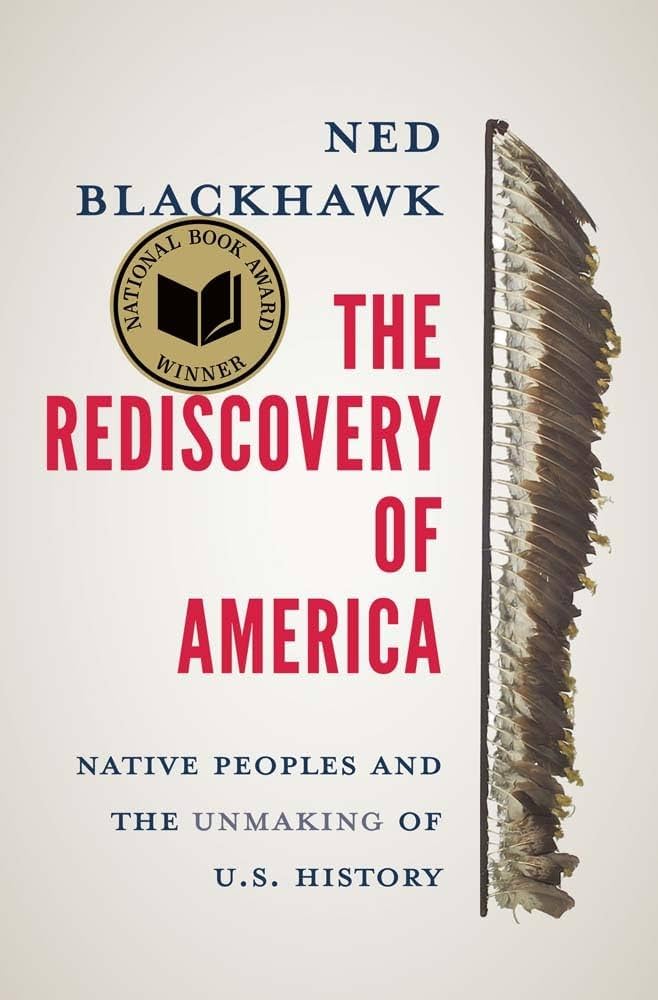
This is my pick for an American history text, period.
Ned Blackhawk’s analyses are sharp and incontrovertible. He will describe a familiar, foundational American moment and then follow it immediately with, “The Indigenous perspective, however, differs…,” explaining it so plainly you will be left wondering how our textbooks have gotten away with saying anything else for so long.
I found it particularly illuminating when he discussed the erasure of Native feminisms through both the construction of white male democracy and the imposition of monogamous marital practices, all which resulted in the consolidation of land into settler hands.
2. Seven Fallen Feathers: Racism, Death, and Hard Truths in a Northern City (2017) by Tanya Talaga (Anishinaabe, Fort William First Nation)
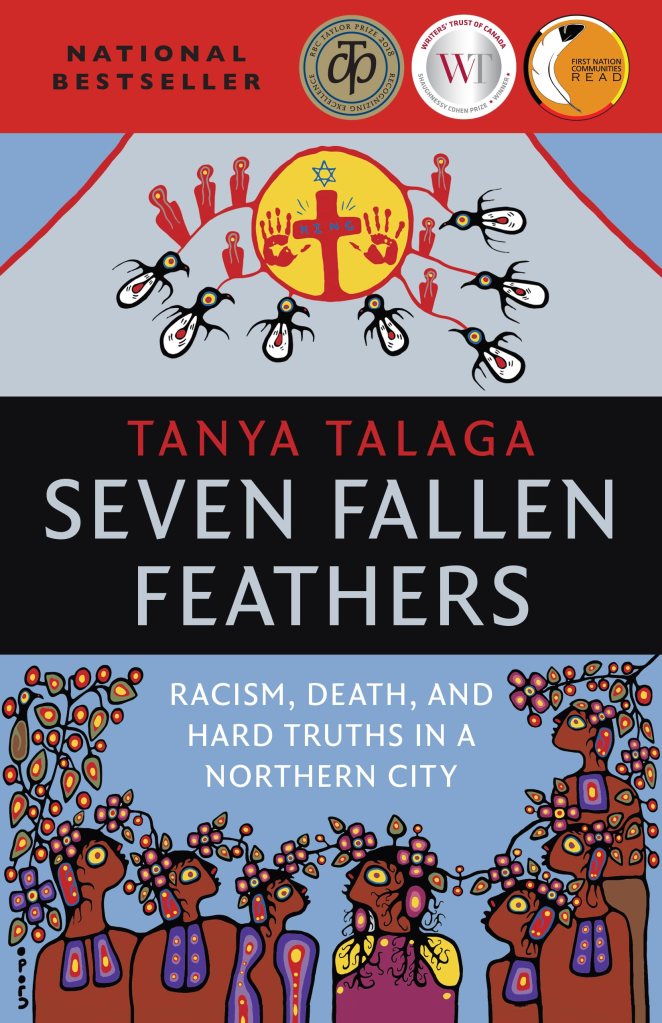
Seven Indigenous students attending the same school in Thunder Bay, Ontario died between 2000-2011.
In a faultless, moving triumph of investigative journalism, Tanya Talaga situates us thoroughly in the culture and history of Thunder Bay, examining every angle of these mysterious deaths.
One almost expects a monster to finally be revealed coming out of the woods and dragging students into the river, but as the narrative unfolds through testimony of families and elders, we understand that the monster is nothing less than settler-colonialism itself, and that even a well-intentioned successor to the violent residential school system bears many similar outcomes for Ontario’s Indigenous youth.
3. To You We Shall Return: Lessons About Our Planet from the Lakota (2010) by Joseph M. Marshall III (Sicangu Lakota)
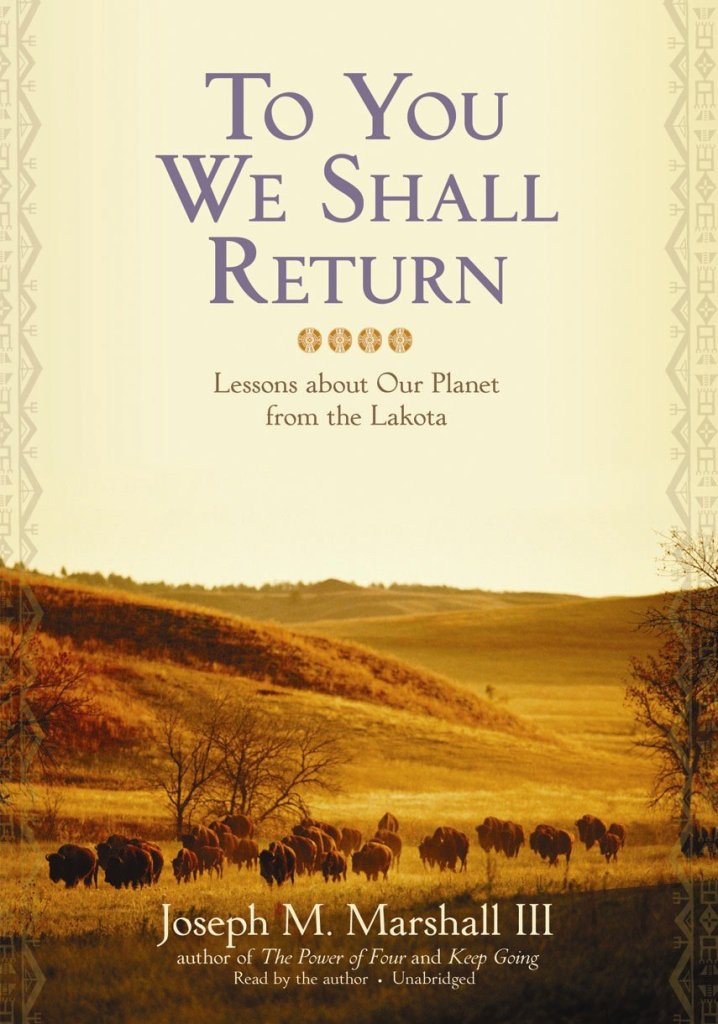
This is a gentle work, concise and humble in tone, that stimulates deep thinking about our relationship to land.
Joseph M. Marshall III describes growing up with his grandparents on the Rosebud Sioux reservation, showing us both the tenacity and endurance of Lakota peoples as well as the violent loss of traditional lifeways.
Rest in peace to the author who died at 80 this past April.
“Grandmother, you who listen and hear all, you from whom all good things come,
It is your embrace we feel when we return to you.”
FICTION
This month, I fell in love with the creative writing of Leanne Betasamosake Simpson (Michi Saagiig Nishnaabe, Alderville First Nation). Drawing from two decades of experience teaching in North American universities as a land-based Nishnaabe intellectual and musician, her work is literary, layered, funny, and weird.
Simpson is the first fiction author I have read all year to go on my “will always read their new work” list.
Pick up anything you find by her–then tell me about it!
4. Islands of Decolonial Love (2013)
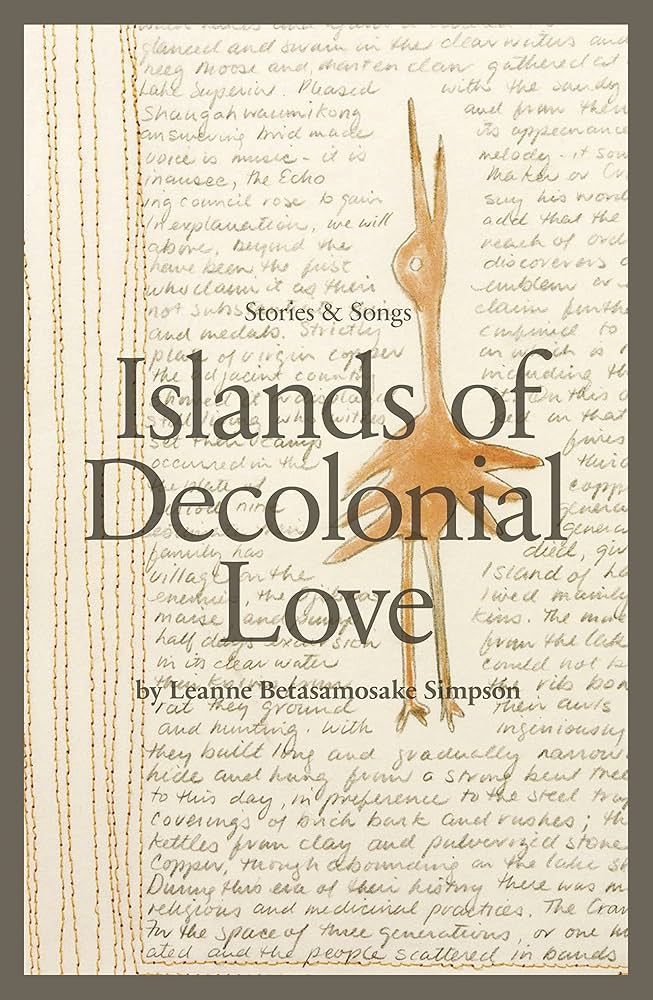
As is my habit, I went into Islands of Decolonial Love completely blind. Pressing play on the audiobook version as I started a day of garden work, I had no idea that I would be taken on a journey from the intimacies of kissing strangers and dating in small towns to the vastness of Anishnaabe cosmology and feeling the great Turtle’s gratitude for the massaging footsteps of dancers on her back.
5. Noopiming (2020)
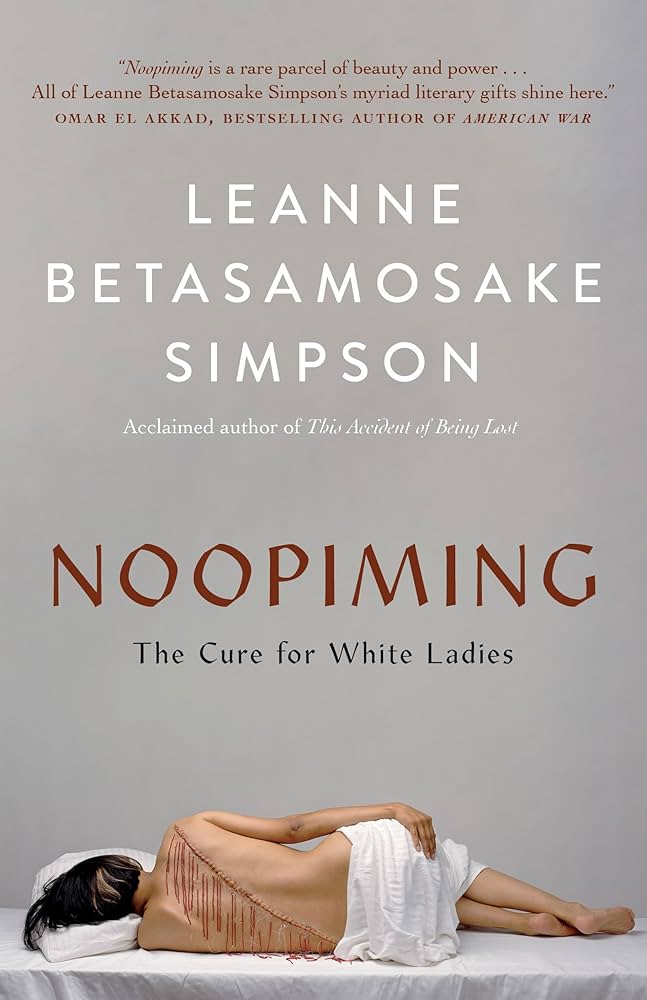
Noopiming is queer both in the sense of gender diversity and in the sense of strangeness.
In an experimental style that flips between the humor of mundanity and a heightened, atmospheric mythologization of the self, Simpson lets us peek into the interrelated lives of seven allegorical characters–human, maple tree, caribou, and giant alike–who buy blue tarps on sale, make waterbottle sculptures, birdwatch in the park, and illegally carve away on a sacred rock through sleepless nights.


 ANOTHER WORLD BLOG
Leave a comment